
Surveys for Wood Lake and Kalamalka Lake complete
Wood Lake shoreline resurvey reveals slight improvement, a first for a BC lake
Neighbouring Kalamalka Lake loses ground in resurvey
British Columbia, Canada – Resurveys of two lakes in the Okanagan Valley revealed the lakes are on different trajectories, with shoreline health on Wood Lake showing a bit of an improvement while the shoreline of Kalamalka Lake deteriorated slightly.
Living Lakes Canada first surveyed the shorelines in 2009 and did so again in 2025 using a method called Foreshore Integrated Management Planning, this time in partnership with the Okanagan Indian Band. Resurveys are useful because they assess the rate of change over the last 15 years with respect to habitat loss, development pressures, climate change impacts and overall shoreline change. Between the two surveys, Wood Lake’s proportion of natural shoreline increased by about 98 metres, or 0.6 per cent, while Kalamalka Lake lost about 327 metres of natural shoreline.
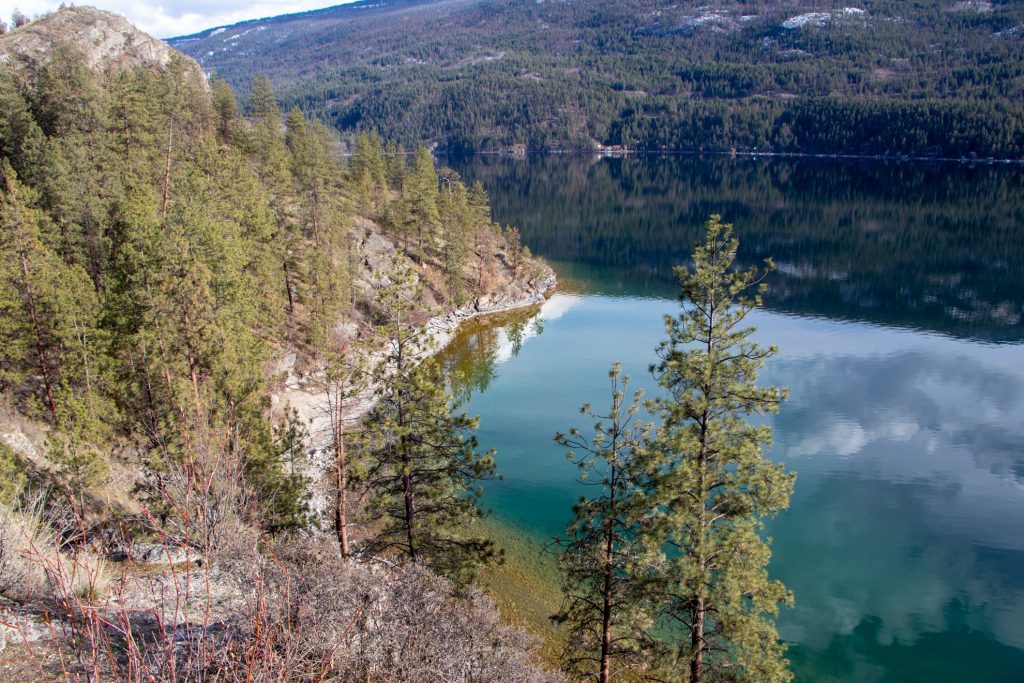
“The District of Lake Country deserves credit for revegetating a portion of the Wood Lake shoreline with native species,” said Georgia Peck, Living Lakes Canada program manager. “This is definitely a positive development. But Wood Lake still has a long way to go to re-establish a healthy shoreline, as only 17.4 per cent of it is in natural condition. That is a very small proportion compared to other BC lakes.”
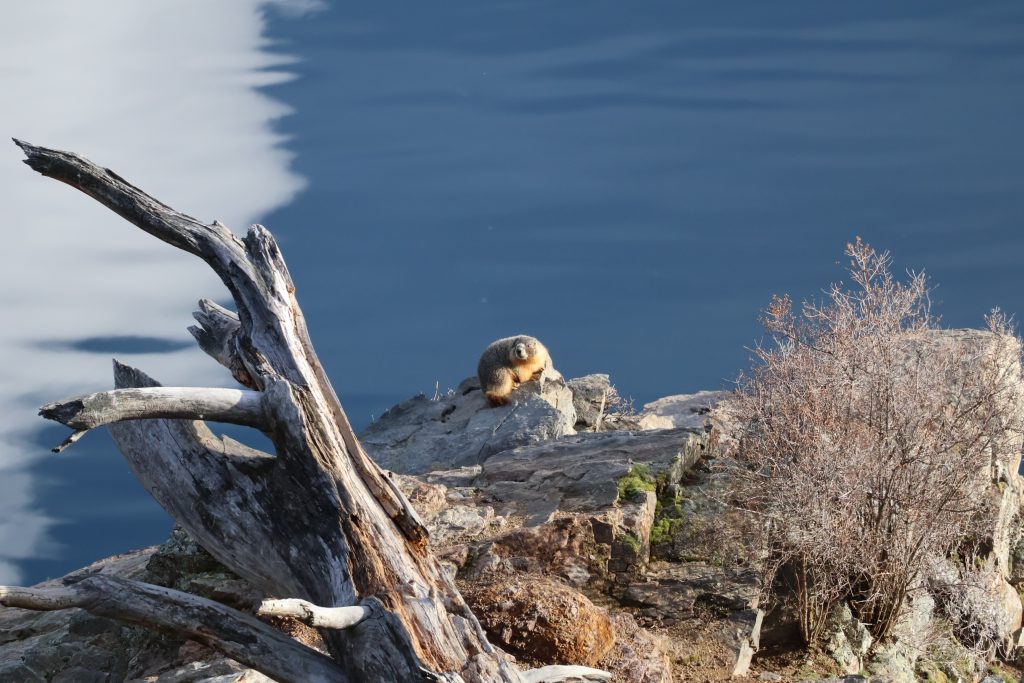
In contrast, about 50 per cent of Kalamalka Lake’s shoreline remains in natural condition, but the construction of docks, access paths and retaining walls led to that previously mentioned loss of 327 metres.
Both lakes are popular recreational destinations for boating, fishing and swimming. Kalamalka Lake also serves as an important drinking water source for the communities of Vernon, Coldstream, and Lake Country. Healthy shorelines play an important part in supporting those values. They reduce erosion, protect water quality, support biodiversity, and maintain the recreational and cultural values that underpin community livability and identity.
“It’s really encouraging to see positive progress along the Wood Lake shoreline,” said Mayor Blair Ireland, District of Lake Country. “Our lakes are among the region’s most valuable natural assets, and these results show that ongoing collaboration and restoration efforts can make a real difference over time. While there’s still more work ahead, this is a positive step and a reminder of the importance of protecting the lakes, shorelines and habitats that support healthy ecosystems, clean water and the communities that rely on them throughout the Okanagan.”
The detailed reports and maps of both lakes are publicly available and can be found here.
The Kalamalka and Wood Lake FIMP project team would like to thank the Okanagan Indian Band for their leadership, guidance and partnership throughout this project. OKIB Senior Cultural Heritage Technicians played a critical role in field data collection and the drone survey. We are grateful to OKIB staff and members for sharing cultural teachings, historic knowledge and technical expertise.
Living Lakes Canada would also like to thank the following for financial and in-kind contributions: District of Coldstream, District of Lake Country, Central Okanagan Foundation, BC Conservation Foundation, Okanagan Basin Water Board, Foord Family Foundation, Kal Tire, Guelph Community Foundation, Beem Credit Union, Max Bell Foundation, North Okanagan Conservation Fund, Regional District of North Okanagan, BC Parks Foundation – BC Conservation Fund.
Georgia Peck, Living Lakes Canada program manager of Foreshore Integrated Management Planning, is available for comment.
– 30 –
About Living Lakes Canada
Living Lakes Canada is an award-winning water science and stewardship NGO based in the B.C. Columbia Basin that facilitates collaboration in monitoring, restoration, and policy development initiatives for the long-term protection of Canada’s lakes, rivers, wetlands and watersheds. Visit https://livinglakescanada.ca/ for more information.
Contact
Hanneke Brooymans
Communications Team Lead
587-336-4396