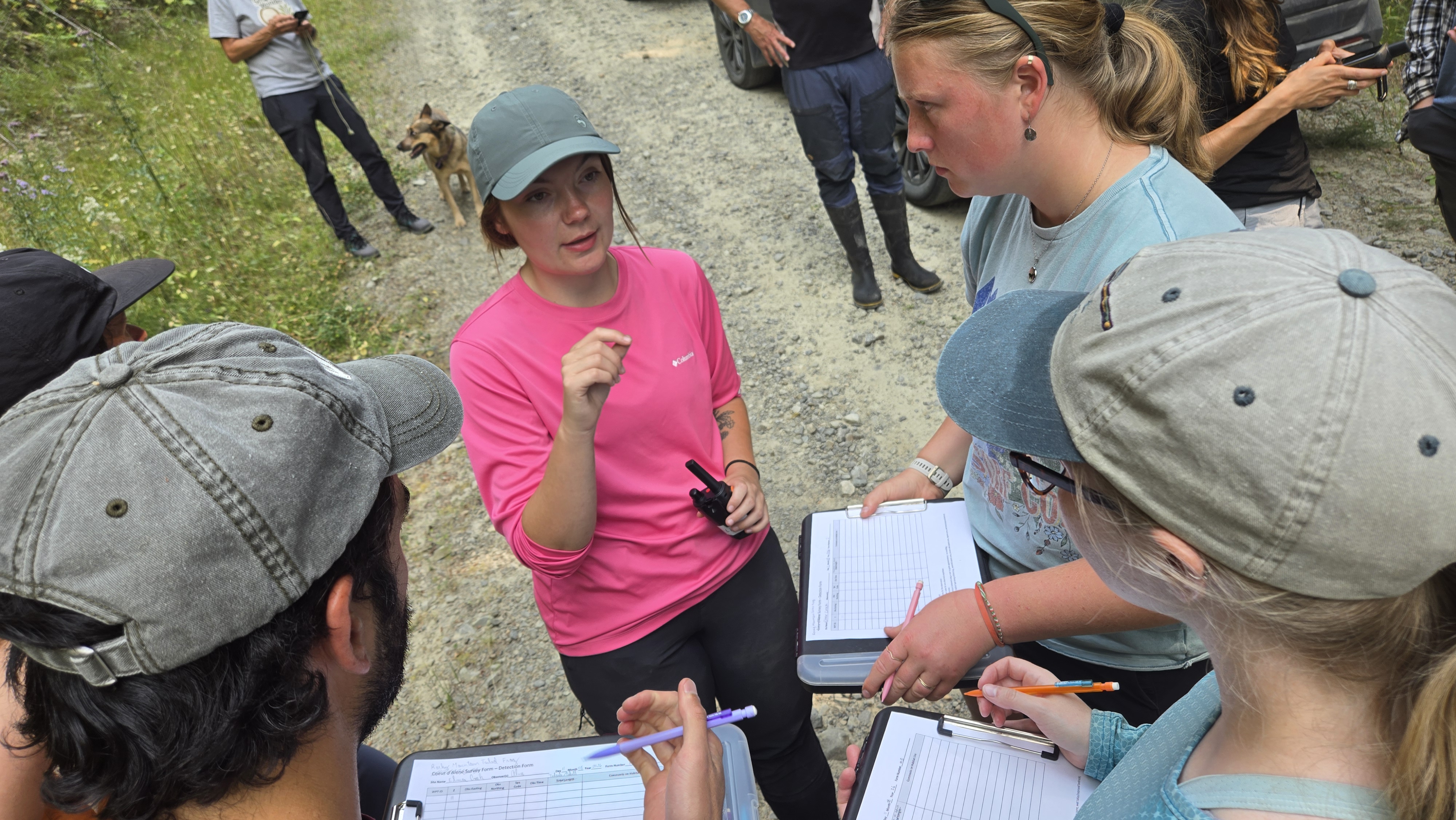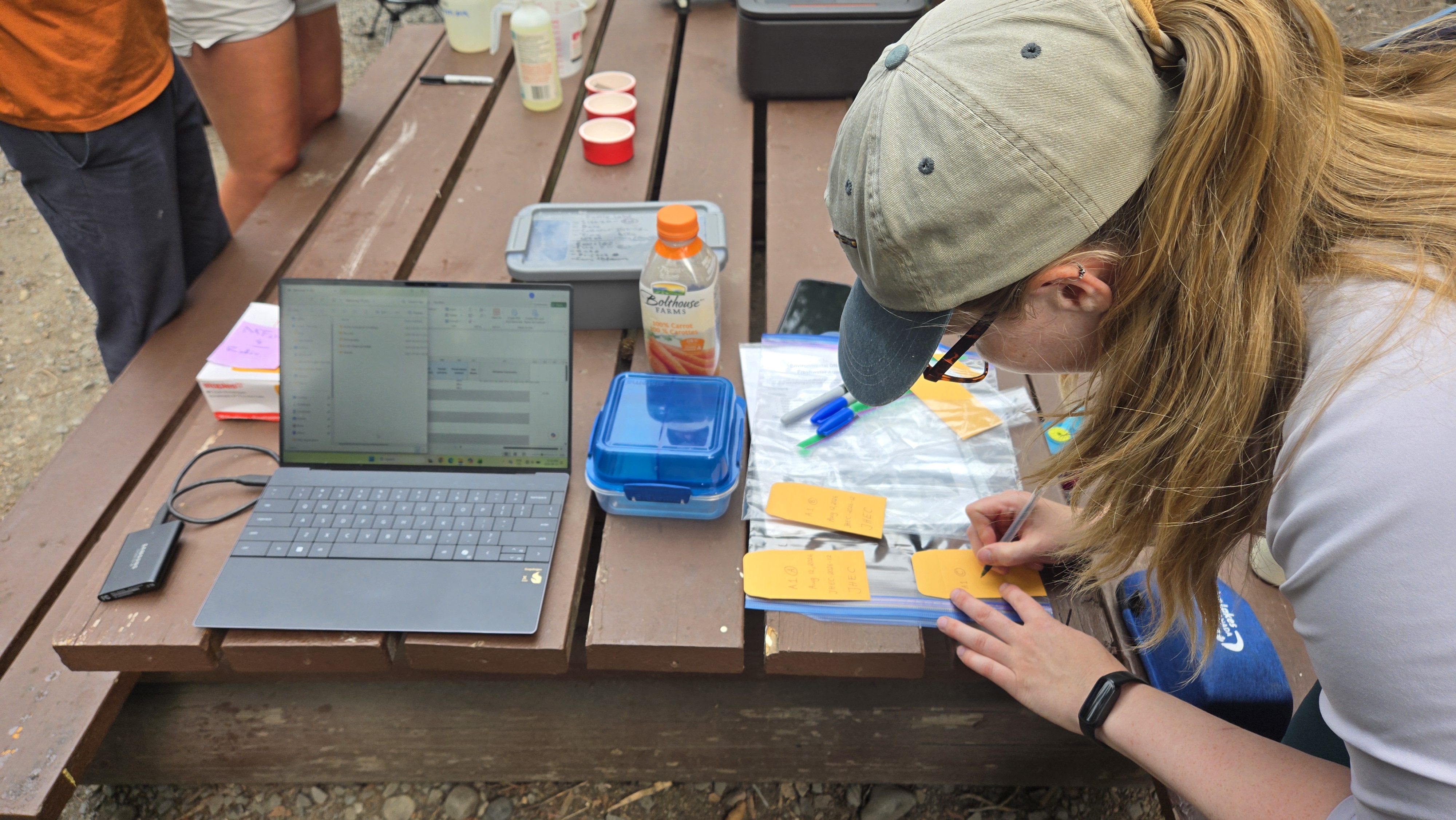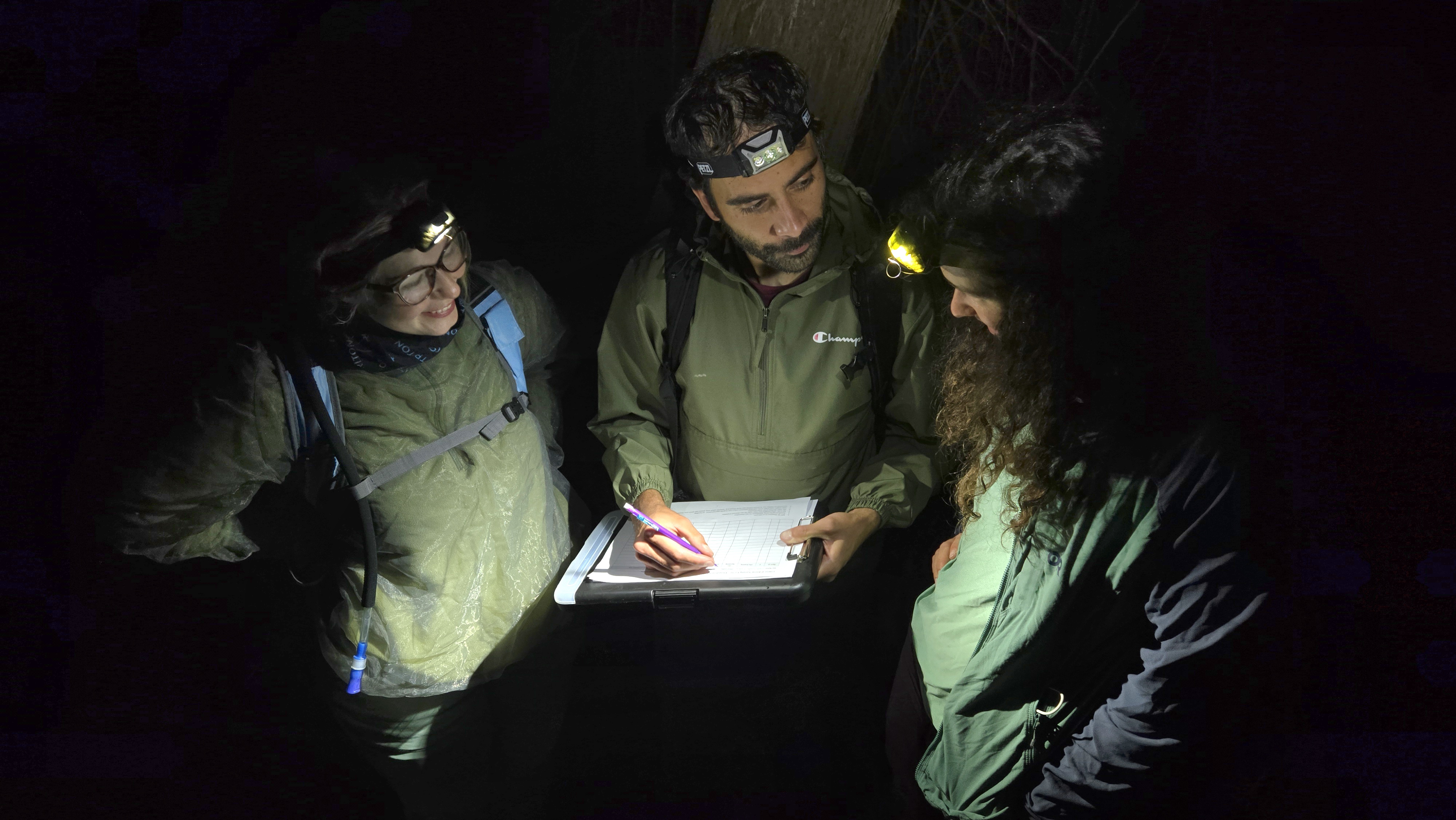

Field School participants will work alongside senior biologists to collect and record biodiversity data using established and emerging field methods. This is not a simulation; the skills and methods you’ll learn are used in ongoing conservation efforts in a variety of fields.
BUILD YOUR RESUME: REAL FIELDWORK. REAL DATA. REAL CONTEXT.
- Gain field exposure and training from experienced biologists
- Contribute to real biodiversity monitoring
- Network with practicing professionals and peers
- Week-long immersive field experience
- Tuition costs covered
- Accommodation & food included
- Equipment provided
- Travel support available
This Biodiversity Field School is a week-long, immersive field experience designed for emerging environmental professionals who want practical exposure to biodiversity monitoring and applied stewardship work. Participants will work alongside experienced biologists to conduct field-based biodiversity monitoring, apply established data collection methods, and carry out surveys across a range of ecosystems.
Through the field school, participants will contribute to data collection that supports environmental understanding and decision-making, while gaining direct experience with the methods, species, landscapes and professionals involved in biodiversity work in British Columbia. The program will also include opportunities to connect with visiting speakers, including expert biologists, Indigenous land managers, and environmental practitioners working in applied monitoring and stewardship.
The field school is intended for post-secondary students and recent graduates in biodiversity conservation or related programs. It is also open to post–high school youth who are exploring further study or career pathways in biodiversity and environmental stewardship.
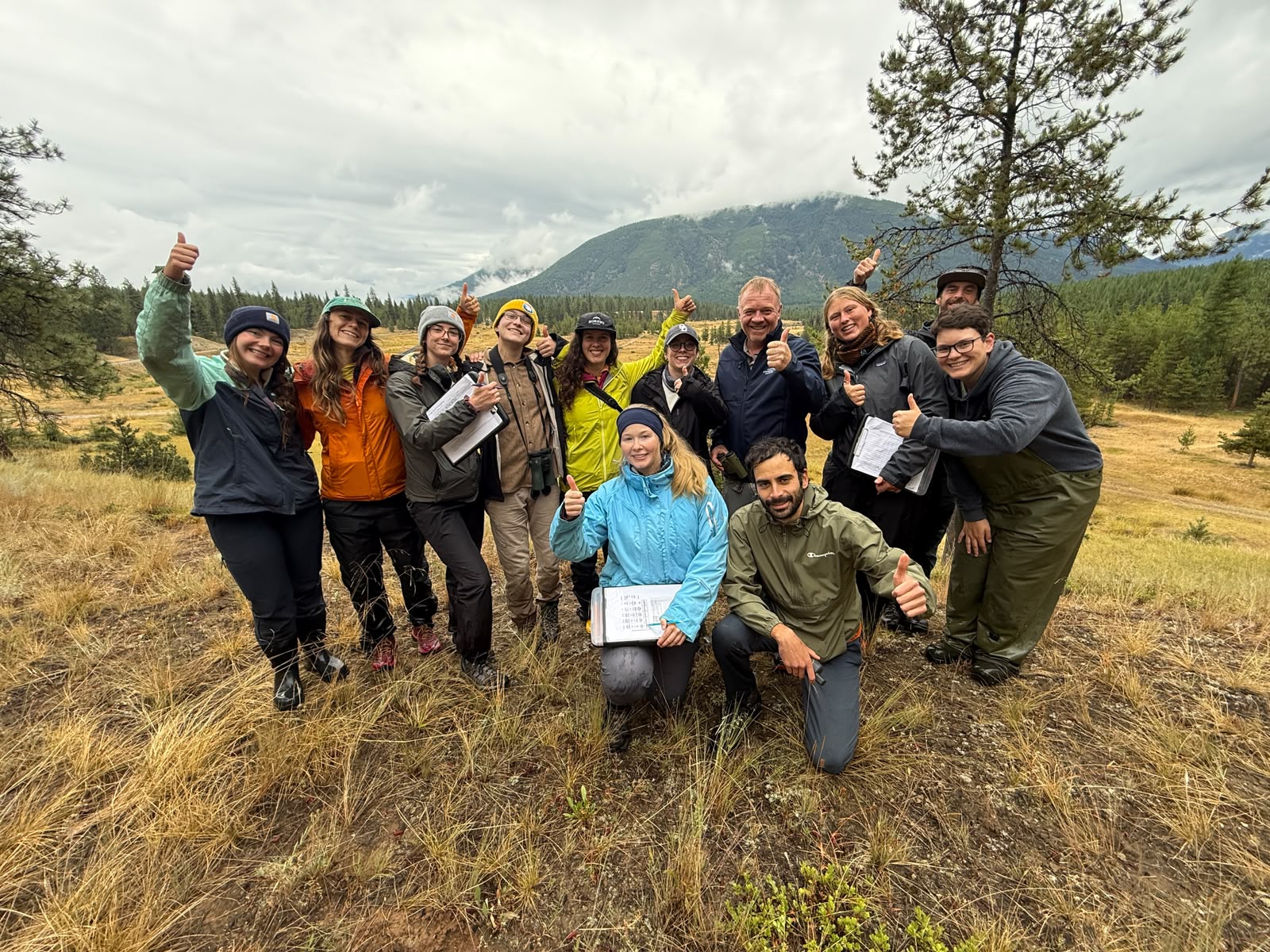
Participants from the first Biodiversity Field School held in Aug 2026 in the East Kootenays. LLC Photo
Field instruction, field equipment, accommodation, and food are included. Accommodation will be a mix of camping and motel stays, depending on the location. Some support for travel expenses may also be available. Participants who complete the program will receive a Living Lakes Canada Certificate of Participation, signed by the workshop lead senior biologist.
In 2026, three Biodiversity Field Schools will be delivered in three locations across British Columbia. Each workshop will be limited to a small, application-based cohort of eight participants. Applicants may apply to one, two, or all three workshops, but each successful applicant will be invited to participate in one workshop only.
East Kootenay / Columbia Wetlands: August 9th - 15th
Potential species targeted:
Birds: Western screech owl (& discussion about impacts to Williamson’s sapsucker)
Fish: Bull Trout/Westslope cutthroat trout
Mammals: Evening of learning about bats, American badger
Amphibians: Rocky Mountain tailed frog, Coeur d’Alene salamander, American bullfrog
Other topics covered: Low-tech restoration with beaver dam analogues, process-based restoration
Note: The application deadline was July 9 at 11:59 PM PT
Okanagan: September 20th–26th
Potential species targeted:
Birds: Western screech owl (& discussion about impacts to Burrowing owl & Williamson’s sapsucker)
Reptiles: Great Basin gophersnake, North American racer, Northern Pacific rattlesnake (& discussion about Greater short-horned lizard)
Amphibians: Great Basin spadefoot, Coastal tailed frog (Okanagan range),
Mammals: American badger
Other activities: “Learning from our Loss” discussion about impacts to species including White-tailed jackrabbit, White-headed woodpecker, and Greater Sage-Grouse. Evening of learning about bats.
Note: The application deadline was August 15 at 11:59 PM PT
Chilliwack: October 4th – 10th
Potential species targeted:
Fish: Bull Trout
Birds: Western screech owl, discussion about impacts to Spotted Owl
Amphibians: Coastal Tailed frog, Pacific giant salamander, Cascades frog
Invertebrates: Oregon Forest snail
Mammals: Western spotted skunk, Pacific water shrew
Note: The application deadline was September 1 at 11:59 PM PT
Applications for the 2026 Biodiversity Field School Workshops are now closed. Thank you to all who applied. Please note that only successful candidates will be contacted.
FAQ
Do I need prior field experience?
No, demonstrable relevant coursework or interest is sufficient to apply.
Is there a cost?
There is no cost for the 2026 workshops. The program is fully covered, including tuition, accommodation (mix of camping and motel), meal expenses, and equipment.
What support for travel is available?
Our goal is to make this program as accessible as we can, so if you are concerned about travel costs please reach out to us. Limited funds are available to reduce barriers to travel within/across BC, and may be provided as a partial contribution toward eligible costs. This support is not intended to cover all travel expenses in every case.
Participants seeking travel support should retain receipts and submit eligible travel costs after the workshop has been completed. The school will review requests and distribute available funds as equitably as possible, based on need and available budget.
What should I expect physically?
Participants should be comfortable spending full days outdoors in field conditions and be comfortable camping in remote areas.
Is accommodation provided?
Yes. Accommodation is typically a first night in a motel, followed by camping.
Is field & camping equipment provided?
Yes. A comprehensive equipment list will be shared in advance. Required items can be loaned to participants for the duration of the workshop, where needed.
What species might we be targeting per workshop?
Each BDFS workshop will focus on a locally relevant suite of species, selected according to ecological priority, timing and location. See potential species targeted listed for each workshop above.
Who are the biologists leading the workshops?
Jared Hobbs M.Sc., R.P.Bio. will be the senior biologist leading each of these workshops, supported by Jessica Holden BSc.
When will I hear whether my application has been successful?
We are only able to respond to successful applicants. They will be notified at least one month before the field school begins.
Questions?
Please email contact@livinglakescanada.ca
News and Updates
How B.C. municipal contributions to Canada’s 30×30 conservation goal are adding up – CBC News, Nov 23, 2025
Today more than ever, biodiversity needs single‑species conservation – The Conversation, Sept 8, 2025
Jared Hobbs – Canadian Geographic
Funders & Contributors
 |
 |